Sameer Khatri

the hologram

Overview

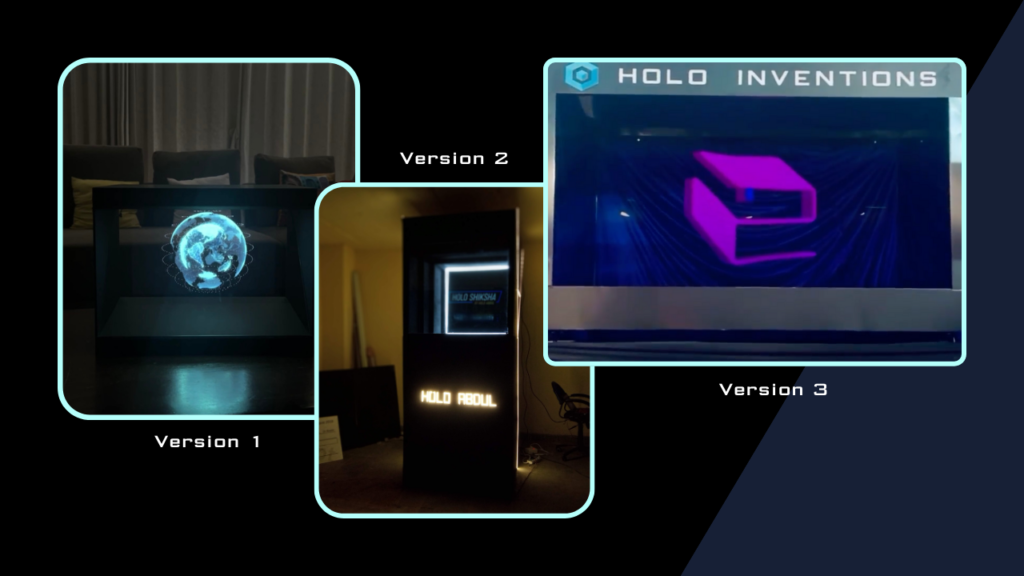
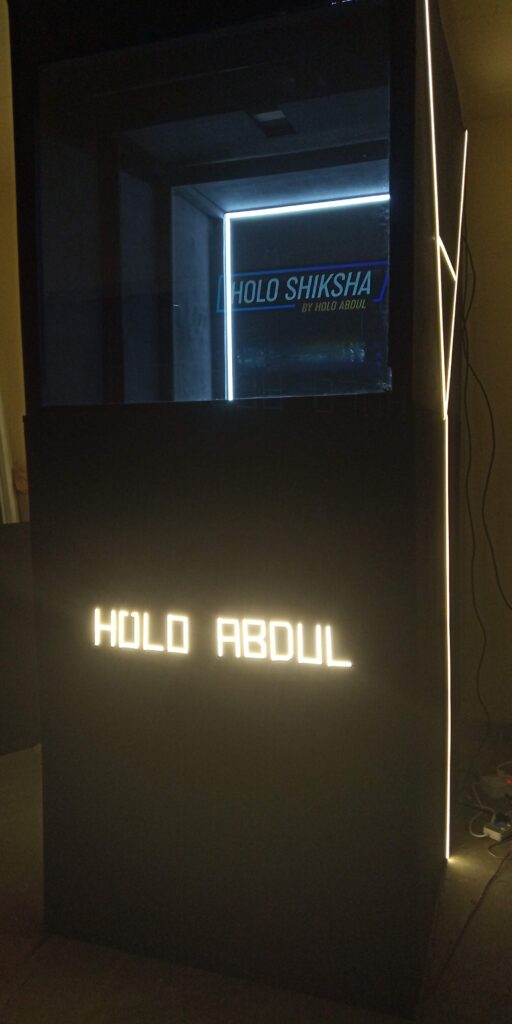
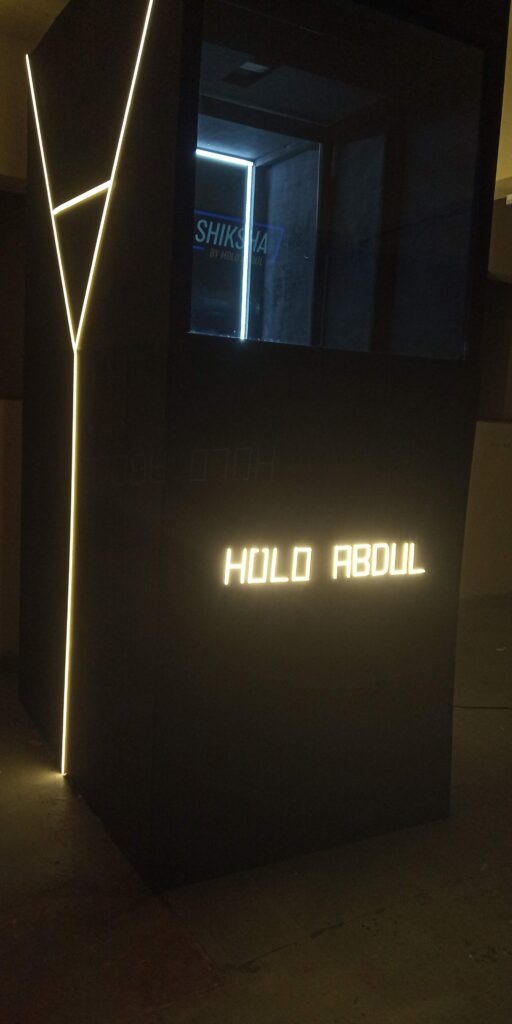
World’s most futuristic Holographic Hardware setup technology converting an AV room/auditorium into a Holographic Experience Centre like never before.

  • Real-time Hand Gesture Interactive Holographic Experience like science fiction movies
  • Headset free Holographic Experience
  • Live Holographic Teleportation
  • No Negative health effect

Year started

2019

Client

Holoshiksha

Services

Product Designing

Project Completed

2020 & In market

about the product

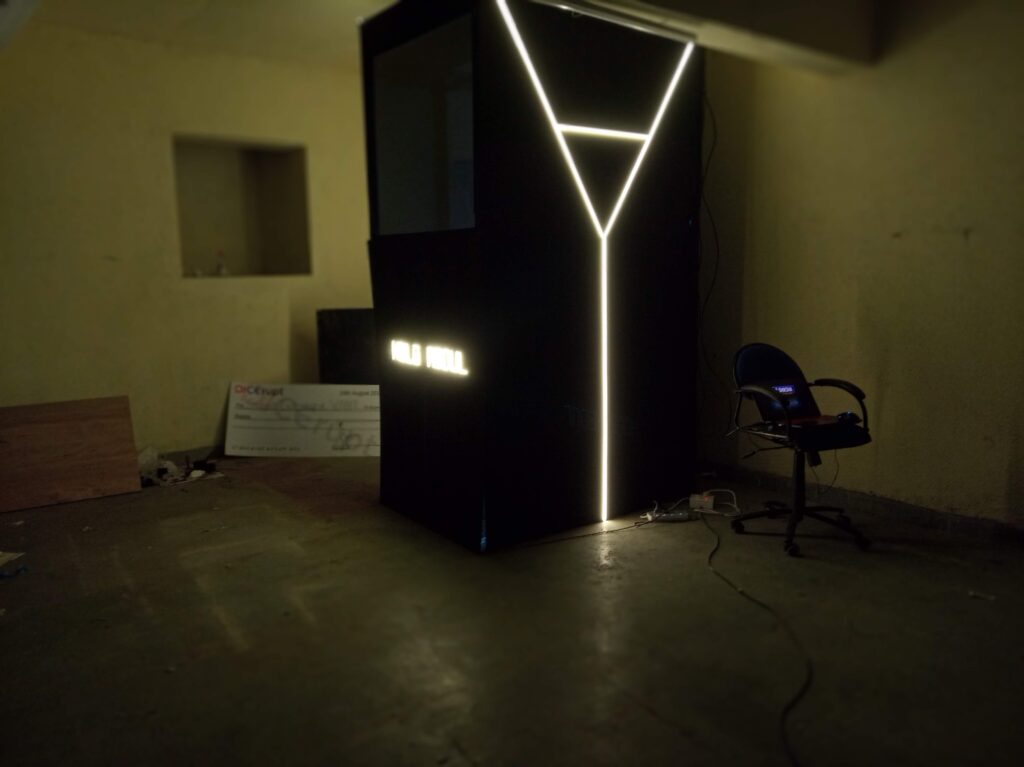
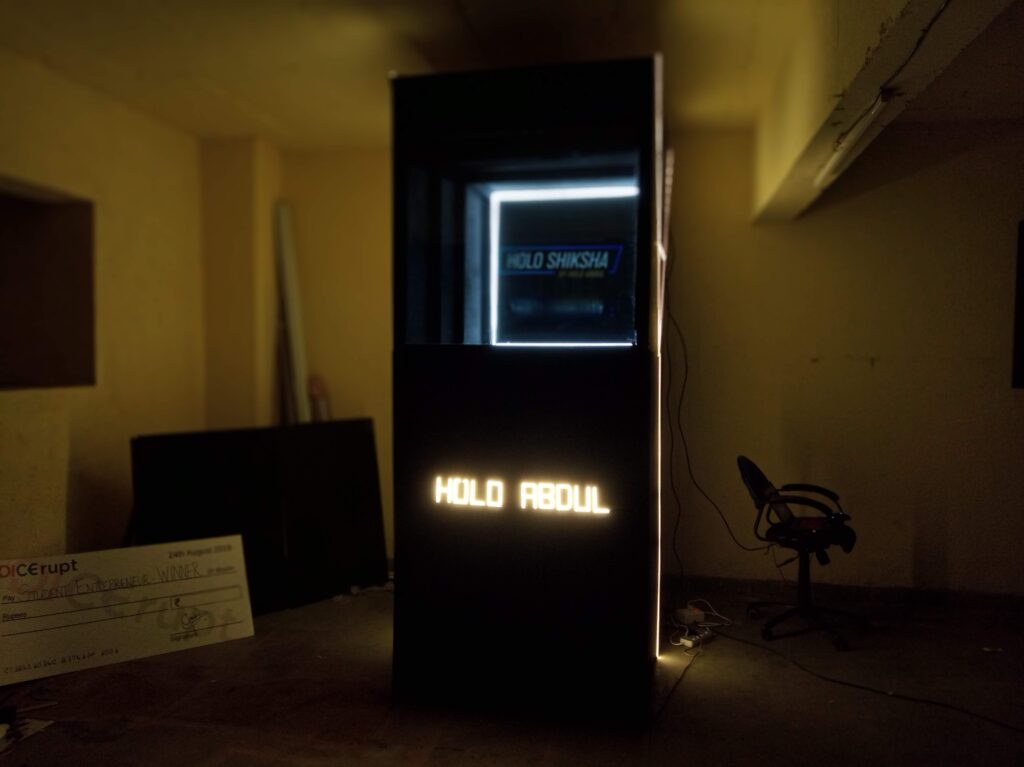
The project entails the creation of a 60-90 second holographic presentation using a sleek-designed Portable Holographic Device combined with Holographic Storytelling Content. This presentation incorporates an AI holographic avatar and captivating holographic visuals and animations to showcase the client’s products and unique selling propositions in an engaging storytelling format.

My role

  1. Tech Lead
  2. Product Designing
  3. Content Delivery Manager

Research

During the development phase, extensive research was conducted to address various aspects of the project:

  1. Portability Enhancement Research: Investigated different structural designs and materials to enhance the portability of the holographic presentation setup. This involved analyzing lightweight and durable materials suitable for transportation without compromising on stability or functionality.

  2. Interactivity Enhancement Research: Explored innovative technologies and methods to enhance interactivity with the holographic content. This included researching gesture recognition systems, touchless interfaces, and other interactive solutions to create engaging user experiences.

  3. Content Accessibility Research: Explored strategies to ensure the accessibility of holographic content to a wide audience. Researched cloud-based content delivery systems, streaming technologies, and network infrastructure to enable seamless access to the presentation content from various locations.

  4. User Experience Research: Conducted user experience research studies to understand user preferences, behaviors, and pain points related to holographic presentations. This involved gathering feedback from potential users through surveys, interviews, and usability testing to inform the design and development process.

problem faced in development

Throughout the development process, several challenges were encountered:

  1. Portability Challenges: Designing a portable holographic presentation setup that is lightweight, compact, and easy to transport while ensuring stability and durability.
  2. Content Distribution Challenges: Establishing an efficient and reliable system for distributing holographic content to multiple devices or locations, considering factors such as bandwidth limitations and network connectivity issues.
  3. Interactivity Implementation Challenges: Integrating interactive features into the holographic presentation setup, including gesture recognition, touchless interfaces, and other interactive technologies, while ensuring compatibility and seamless functionality.
  4. User Experience Optimization Challenges: Optimizing the user experience of the holographic presentation to ensure intuitive interaction, clear communication of information, and engaging storytelling.

Solutions

To overcome these challenges, the following solutions were implemented:

  1. Modular Design Approach: Adopted a modular design approach for the holographic presentation setup, allowing for easy assembly, disassembly, and transportation. This involved designing individual components that could be easily interconnected and secured in place.
  2. Cloud-Based Content Delivery Platform: Developed a cloud-based content delivery platform to host and distribute holographic content securely and efficiently. This platform enabled users to access presentation content remotely from any location with an internet connection, eliminating the need for physical storage devices.
  3. Gesture Recognition Integration: Integrated a gesture recognition system into the holographic presentation setup, allowing users to interact with the content using hand gestures. This involved implementing machine learning algorithms and computer vision techniques to recognize and interpret user gestures accurately.
  4. User-Centric Design Principles: Applied user-centric design principles to optimize the user experience of the holographic presentation. This included conducting user testing sessions, gathering feedback, and iteratively refining the design based on user input to ensure intuitive interaction and engagement.

conclusion

Our proposed holographic presentation solution offers a groundbreaking approach to captivating audiences, enabling deep engagement, and effectively communicating our clients’ vision and products. Through innovative technology and strategic design, we aim to create unforgettable and immersive experiences that set our clients apart from the competition.